




Richard Lim on the Future of Delivery and Logistics: Insights from the Delivery and Logistics Leaders' Summit!
)
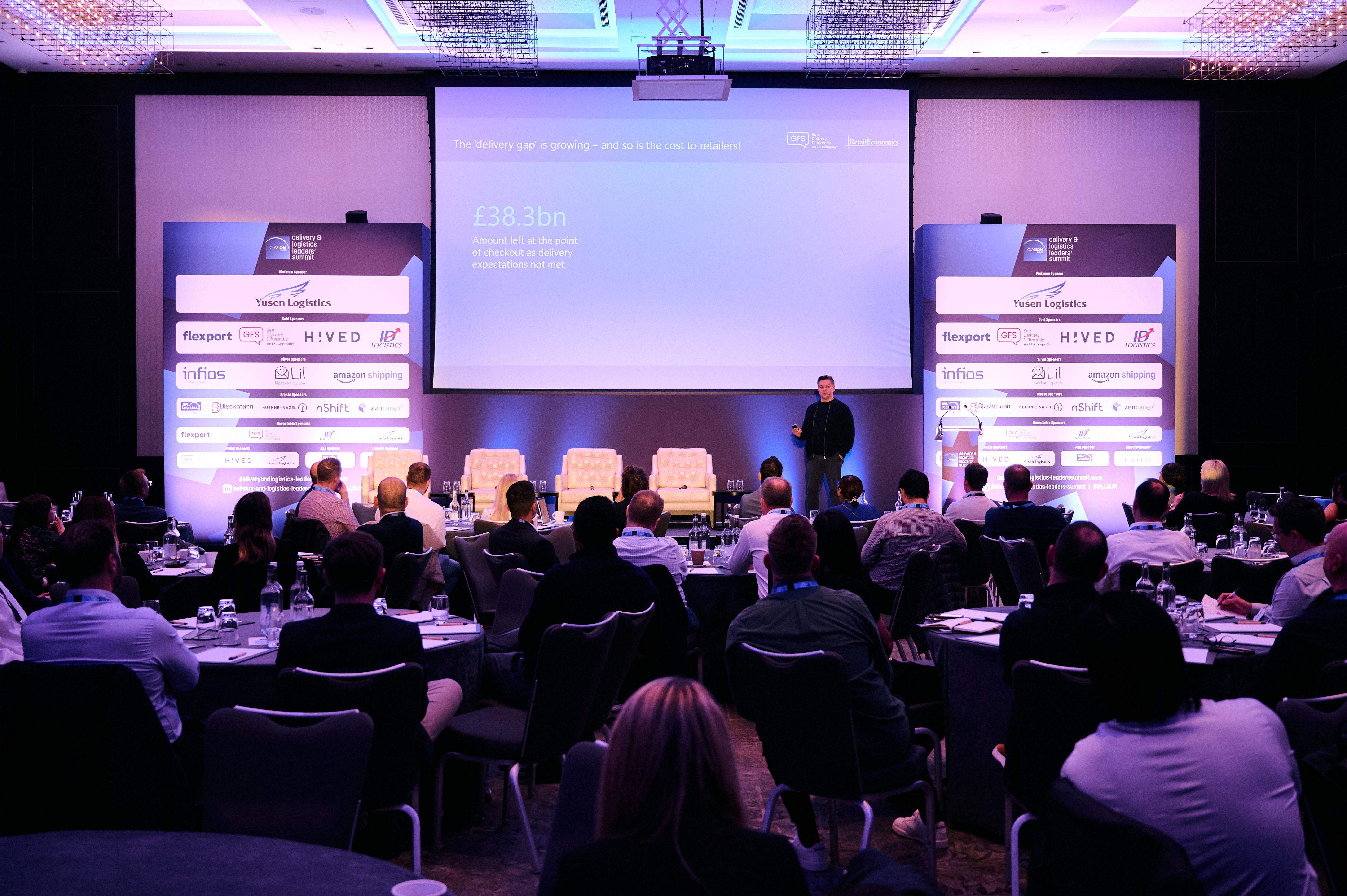
Richard Lim, Chief Executive at Retail Economics delivered a compelling keynote presentation at the Delivery and Logistics Leaders' Summit in London, where he discussed the Adaptive Commerce Model developed in partnership with GFS (Global Freight Solutions Ltd).
With over 20 years of industry experience, Richard highlighted the unprecedented disruption facing retail brands today. From AI-assisted commerce technologies such as ChatGPT, Claude, and Perplexity, to social media giants like TikTok, Instagram, and Meta, as well as emerging international competitors like Shein and Temu, the retail landscape is evolving faster than ever. Customer expectations are rising alongside these changes, creating relentless pressure on traditional business models.
According to Richard, many existing business strategies, especially rigid three-year plans are no longer effective in the current volatile market. What’s required instead is agility, speed, and a mindset focused on constant adaptation.
The Adaptive Commerce Model, he explained, is designed to help retailers flex, evolve, and thrive amid unpredictable conditions. The model rests on three key pillars:
Customer-facing adaptability: Understanding and anticipating shifting shopper expectations, from personalised engagement to consistent service across every channel. This requires empowering teams with the right tools, culture, and training to adapt swiftly.
Operational adaptability: Developing agile supply chains and logistics, adopting multi-carrier strategies, and utilising data-driven merchandising. Flexibility in operations, including pricing and sustainability, separates leaders from laggards.
Technical adaptability: Modernising legacy systems through a modular approach, building robust data architectures, and integrating AI-driven platforms to deliver speed, intelligence, and a unified customer view. Fragmented systems simply cannot keep up with today’s demands.
Richard also pointed out the widening gap between companies that embrace these adaptive strategies and those that do not. The consequences of failing to adapt are already significant: basket abandonment due to delivery issues has surged to £38.3 billion - an 11% increase in just one year. Nearly a quarter of all non-food purchases fail to complete checkout because delivery expectations are not met, with Gen Z customers abandoning baskets at even higher rates, two-thirds monthly.
He emphasised a growing disconnect between strategy and execution, particularly among small and medium-sized retailers. These businesses often lack the skills, resources, and confidence needed to effectively manage multi-carrier partnerships. While many recognise the problem, few possess the operational or technical capabilities to resolve it.
Richard stressed that partnerships will be crucial in addressing these challenges, whether in multi-carrier solutions, technical systems, sourcing, distribution, or emerging initiatives such as digital product passport strategies.
When it comes to the critical final mile, retailers are investing millions to drive shoppers to checkout, only to lose sales due to avoidable delivery failures. In today’s fiercely competitive market, businesses cannot afford to let customers slip away at the point of conversion.
Next up is our Delivery & Logistics European series, register your interest today to stay ahead in the delivery and logistics landscape: https://info.internetretailingexpo.com/l/338191/2025-09-18/2v2sgy